
Tent guide
Are you in need of a new tent but unsure which one best suits your needs?
At Robens, we guide you through the key considerations so you can find the perfect tent
Choosing the right tent is one of the most important decisions you make before any outdoor adventure. Whether you’re preparing for a multi-day trek, a relaxed family holiday, a bushcraft camp deep in the forest or a luxurious glamping setup, your tent determines comfort, protection and overall experience. This comprehensive Robens Tent Guide walks you through everything you need to know, from tent types and construction to materials, water resistance, footprints and long-term care.
Our goal is to help you select a tent that matches your environment, your style of travelling and your technical requirements. With Robens’ broad range of performance-driven tents, you’ll be equipped for any season, landscape and challenge.

Your complete resource for choosing the right tent
Understanding tent types: How to choose the right structure
The foundation of your decision starts with the tent’s overall design. Each construction has unique strengths, benefits and ideal use cases. Below, you’ll find an in-depth explanation of the five primary tent types from Robens.
Dome tent
The all-rounder with dependable stability
Dome tents are among the most trusted designs in the outdoor world. Their two intersecting poles create a freestanding architecture that stands securely even on rocky surfaces where pegs can’t be used. This structure naturally distributes stress, making dome tents highly stable in changing conditions.
Because they are easy to pitch and typically compact, dome tents are a favourite among hikers, backpackers and anyone moving camp frequently. Their relatively small footprint allows you to pitch in tight spaces or uneven terrain.
Advantages of dome tents:
- Self-supporting design — ideal for hard or rocky ground
- Strong resistance to wind due to intersecting poles
- Compact pack size for lightweight adventures
- A reliable choice in unpredictable terrain
Best for: Solo adventurers, fast-moving trips, classic trekking routes, varied weather conditions.

Tunnel tent
Roomier, lighter per person and highly weather efficient
Tunnel tents are engineered for maximum usable space with minimal weight. Their parallel pole structure creates long, spacious interiors with excellent headroom. This makes tunnel tents particularly attractive for families, groups and long-term camping setups where comfort matters.
When pitched with the narrow end facing into the wind, tunnel tents offer remarkable stability. The aerodynamic design channels air efficiently, reducing flapping and improving shelter in sustained winds.
Advantages of tunnel tents:
- Superior interior space and large vestibules
- High headroom and comfortable living area
- Efficient in windy conditions when pitched correctly
- Excellent weight-to-space ratio
Best for: Multi-day basecamps, gear-heavy adventures, and comfort-oriented outdoors.

Bell tent
Spacious, breathable and ideal for basecamps
Bell tents create a unique, comfortable atmosphere thanks to their tall centre pole and sloped walls. Their polycotton or cotton construction provides an indoor climate that feels significantly different from synthetic tents. Warmer in cold weather, cooler in heat and naturally better at reducing condensation.
These tents offer space to stand upright, move around comfortably, and set up cosy furniture or glamping accessories. Their classic silhouette also makes them visually inviting for longer stays.
Advantages of bell tents:
- Excellent ventilation and natural climate control
- Very comfortable with room to stand
- Aesthetic and atmospheric for glamping-style setups
- Stable structure with strong pegging points
Best for: Glamping, family escapes, long-term camping, events and comfortable summer basecamps.

Tipi tent
Traditional shape, robust performance and year-round use
Tipi tents (teepee tents) combine a heritage shape with modern materials. The single central pole makes pitching straightforward, even solo. Once set up, the conical design distributes wind loads efficiently, making tipis surprisingly stable in storms.
Many Robens tipi models are compatible with wood-burning stoves, making them excellent for cold-weather expeditions or bushcraft camps. The spacious interior creates a communal atmosphere ideal for groups.
Advantages of tipi tents:
- Quick, intuitive setup
- Impressive wind stability
- Large, open interior for group living
- Stove compatibility in selected models
Best for: Bushcraft, winter camping, year-round wilderness trips and group experiences.

Tarp & Bivouac
Ultralight protection for minimalists
Tarps are among the most versatile shelter systems available. They offer protection without enclosing you completely, letting you stay close to nature. When paired with trekking poles or natural features such as trees, a tarp can be shaped in several ways depending on wind direction and terrain.
Combined with a bivouac bag, you gain a flexible, lightweight sleeping system suitable for fastpacking, survival training or minimalist adventures.
Advantages of tarps and bivi shelters:
- Minimal weight and tiny pack size
- Maximum airflow and adaptability
- Multiple pitch options depending on terrain
- Ideal for experienced outdoor users
Best for: Ultralight trekking, survival, fastpacking, bushcraft and adventurous solo trips.


Robens ranges
Robens offers six tent ranges to ensure a wide selection of tents in various sizes and price ranges, catering to every outdoor enthusiast.
Performance
Robens Performance dome and tunnel tents include all core features required by up to three adventurers to meet moderate technical challenges in diverse landscapes. HydroTex Core polyester outer fabric with anodised aluminium poles perfectly balance weight, packed size, protection and stability.
Perfect for those entering the world of outdoor adventure.

Expert
Robens Expert dome and tunnel tents provide full-featured technical options for up to four seasoned adventurers taking part in outdoor pursuits where nature rules, no matter the environment or mode of exploration. Part of Our Promise initiative, the range uses the latest HydroTex Recycled polyester fabric and anodised aluminium poles.

Lightweight
The Robens Lightweight range is made for outdoor enthusiasts who prioritise minimal weight and maximum functionality. All Lightweight tents combine smart design with advanced materials, including HydroTex RS SilPoly fabric that resists sagging in wet conditions and ensures long-lasting weather protection. Features such as flexible pitching options, full mesh inners for airflow, and DAC Pressfit aluminium poles deliver a strong yet lightweight structure. With compact pack size, enhanced ventilation, and practical details for fast-paced adventures, the range is ready for varied terrain and changing conditions.

Ultralight
Carry less without compromise on space or comfort.
Robens Ultralight makes expert-level trekking gear intuitive and accessible. Our Ultralight range features spacious trekking pole-supported tents with smart innovations like canopy options for extra shelter.
With minimal weight and small packed size, these tents offer maximum liveable space and easy pitching. Perfect for long-distance hikers, solo travellers, and anyone ready to move lighter, faster, and more freely outdoors.

ROBENS 2027
See the use cases come to life in our 2027 brand film - lean back and enjoy!

Outback
Roben's Outback range appeals to outdoor enthusiasts who cherish wilderness camping while embracing modern materials, features and manufacturing techniques. Offering a variety of sizes and styles, these retro designs meet all expectations. They are made from HydroTex Polycotton and have features such as internal adjustable ventilation and exhaust ports for tent stoves.
.JPG&width=640&format=webp&quality=70)

Tent materials
Choosing the right fabric has a major influence on comfort, durability and weather performance.
Polyester
Ideal for versatile camping in terrain with changing weather conditions, where reliable performance and robust weather protection are essential.
Nylon
Ideal for hikers who prioritise low weight and high efficiency in their pack.
Cotton and Polycotton
Perfect for long-term basecamps and glamping, where space, comfort, and a stable indoor climate are the main focus.
- UV-resistant
- Hydrophobic: retains shape when wet
- Low maintenance
- Lightweight with high tear strength
- Preferred for lightweight and technical expeditions
- Can absorb moisture and may require tightening
- Excellent indoor climate in both heat and cold
- Naturally breathable with reduced condensation
- Durable, long-lasting and comfortable
What is a Footprint?
and why it extends your tent’s lifespan?
A footprint is a groundsheet placed beneath your tent to protect the floor from abrasion, sharp objects and moisture. A good footprint extends the lifespan of your tent by reducing wear on the floor and preventing stones or roots from damaging the material.
In addition, a footprint acts as an extra barrier against moisture, helping to keep the tent dry in wet conditions. It also improves insulation against cold ground, which can make a noticeable difference on cold nights.
When choosing a footprint, it’s important that it is slightly smaller than the tent’s floor area, so rainwater cannot collect between the footprint and the tent – a situation that can lead to moisture problems.
Many Robens tents have matching footprints specifically designed for each model, ensuring optimal fit and protection.
Benefits of a footprint:
Prevents wear and extends the life of the tent
Reduces moisture rising into the inner tent
Improves insulation against cold ground
Keeps the tent cleaner and easier to pack
For best performance, choose a footprint slightly smaller than the tent’s base to avoid water collecting between layers.
Hydrostatic Head
How waterproof should your tent be?
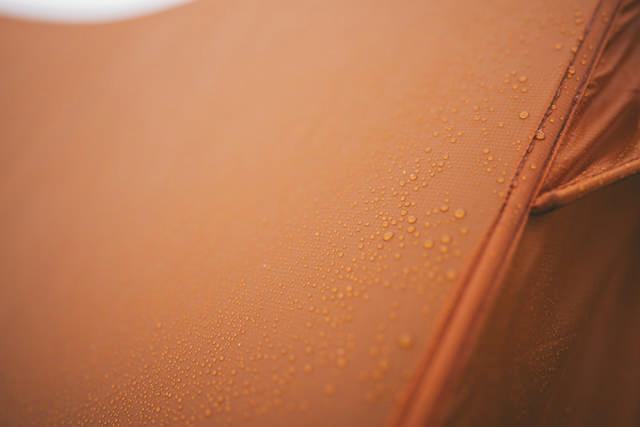
The hydrostatic head rating (measured in mm) tells you how much water pressure a fabric can withstand before leaking.
1,500 mm - basic waterproof level
3,000 mm - suitable for heavy rain
10,000 mm - common for floors exposed to ground moisture
However, waterproofing isn’t just about numbers. Seams, coatings, pole structure and ventilation also determine how dry your tent stays during long periods of rain.
Balanced ventilation is crucial to avoid condensation. A common issue that no hydrostatic head rating can solve alone.
Find your next Robens tent
With a wide range of high-quality tents, from lightweight trekking shelters to spacious family tents and breathable cotton basecamps, Robens offers a model for every outdoor ambition.